
At PSE, we place a high value on being pragmatic. This applies to our work, and our predictions as well. Guessing about what the future holds is an amusing and low-risk pastime—most of the time, newspapers won’t write stories about you admitting you were wrong—but we still think it’s best to be realistic.
We also believe it’s important to have a sense of humor about these things. Because have you seen the world out there?
So, having established the parameters of “practical” and “fun,” here are the themes that (we hope) will define communications in 2026:
If computer hardware giant Dell’s CES 2026 chat (which their head of product described as “a bit of a shift from a year ago where we were all about the AI PC”) is any indication*, nature may be starting to heal already. What’s intoxicating to investors and politicians is much less captivating to Sam Q. Audienceperson.
Clearly, the frenzy around the tech industry’s latest set of jangly keys is unlikely to fade away as meekly as the multiverse. But the chasm between sales pitch and reality can’t be ignored indefinitely, nor can the 8.2 billion or so people who aren’t eager to see Earth turned into a giant data center.
*Another sign of hype fatigue from the “most powerful tech event in the world”: even the AI Brief newsletter from the advertising/marketing industry publication Marketecture struggled to feign excitement about the AI-flavored word salads on offer.
Sounds like an incredible experience.
Last October, the Financial Times asked a provocative question: have we already passed peak social media? The answer, according to an analysis of the online habits of 250,000 adults in over 50 countries, was a resounding “yeah”—time on social platforms has dropped 10 percent since 2022.
The decline shouldn’t be overstated. Billions of people still spend hours a day scrolling, and platforms like Instagram and LinkedIn are still vital channels for organizations of all types. But there’s not a compelling argument for your average nonprofit or small business to invest in a new Sora account.
That should come as a relief for anyone who’s lived through the manufactured FOMO cycles around Tiktok, or Threads, or Snapchat, or….
People of all ages, genders, races, and orientations are pissed off right now, as illustrated by poll after poll. And one of their most consistently cited complaints is the sense that they’re constantly being lied to by smiling charlatans who are sneaking a hand into their wallet.
If you’re not one of those charlatans, this is your time to shine!
Being honest and straightforward (even when your message isn’t “everything’s amazing, and continuing to get better all the time”) feeds people’s underserved appetite for the truth. Right now, there’s a wide open lane for any organization with the guts to fill it.
PSE has been tooting the horn of niche publications for a while now, and it’s not because we have a grudge against the giant, omnivorous Forbeses of the media world.
Rather, it’s because those heavyweights no longer carry the opinion-swaying cachet they used to, even if their names remain impressive to those of us over 30. From Substacks to subreddits, audiences who want to know about Specific Topic X, Y, or Z are increasingly flocking to venues that cater to their precise interests.
And it’s hard to blame them. Bias and credibility issues aside, people will only sit through a certain number of stories about Trump’s bad manners or Nvidia’s stock price before they start wondering what else is happening out there.
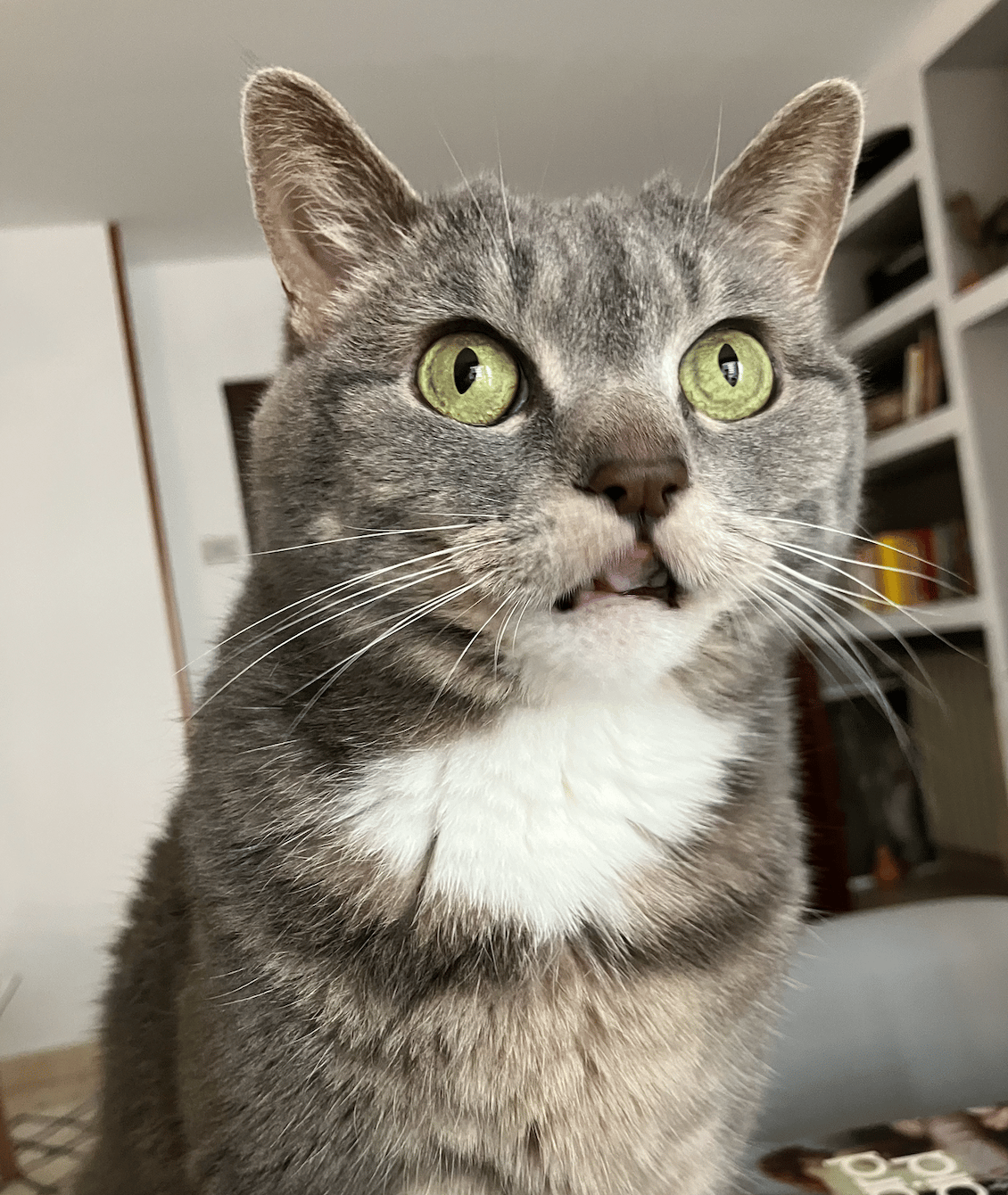
When in doubt, post cat.
Because the last word is rarely the end of the conversation.
Much like penguins, we enjoy bringing you little gifts to show we care:
The American Business Immigration Coalition is hiring a Deputy Director of Communications (remote, $95k-$128k a year with health insurance and other benefits).
If you had a tough reentry into the daily grind, the great Vu Le at Nonprofit AF has a message that might resonate with you.
Thank you, science! A new study found a little TV is actually good for your brain.
Premiering at Sundance this month: Ghost in the Machine! This documentary from PSE client Valerie Veatch is mandatory viewing for anyone thinking about or using AI. Not going to be in Park City? No problem! If you’re in the US, you can watch their online festival from Jan. 29 - Feb. 2. Click here to buy tickets starting Wed. Jan. 14.
Here’s what one of us is currently reading:
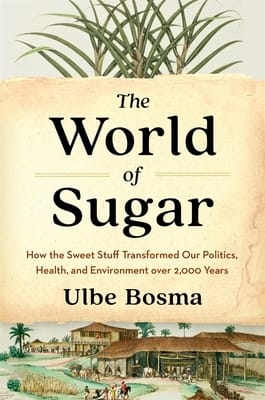
“Yet even in the eighteenth century, for most of Europe sugar was still far from quotidian…. Most Europeans did not see much pure sugar; they were more likely to encounter it in the form of comfitures or confectionaires. Both these words are derived from the French confiserie (literally, ‘putting together’), which in turn comes from the Italian colleazione, meaning a lavish and expensive assemblage of sweetmeats.”
It might be hard to imagine a world where sugar was a high-priced rarity, with most of it reserved for the tonics of quack doctors or the banquet tables of royalty. But as revealed by the research of Ulbe Bosma, professor at the Vrije Universiteit Amsterdam, this was the world humans lived in for the vast majority of our species’ existence.
The tale of sugar unfolds across a global stage—in some locales you’d expect (like giant cane plantations in the Caribbean and Southeast Asia) and others that raise eyebrows (like beet farms in Germany and Crusader outposts on Cyprus). Bosma’s subject matter touches on a similarly broad range of topics, from farm equipment to slave politics to international finance. That might not sound like riveting stuff to the casual reader. But Bosma provides a surprisingly clear and holistic look at how sugar has shaped the evolution of human societies over the centuries.
By the end of the book, it’s hard to escape the thought that much of that evolution has been a mistake.