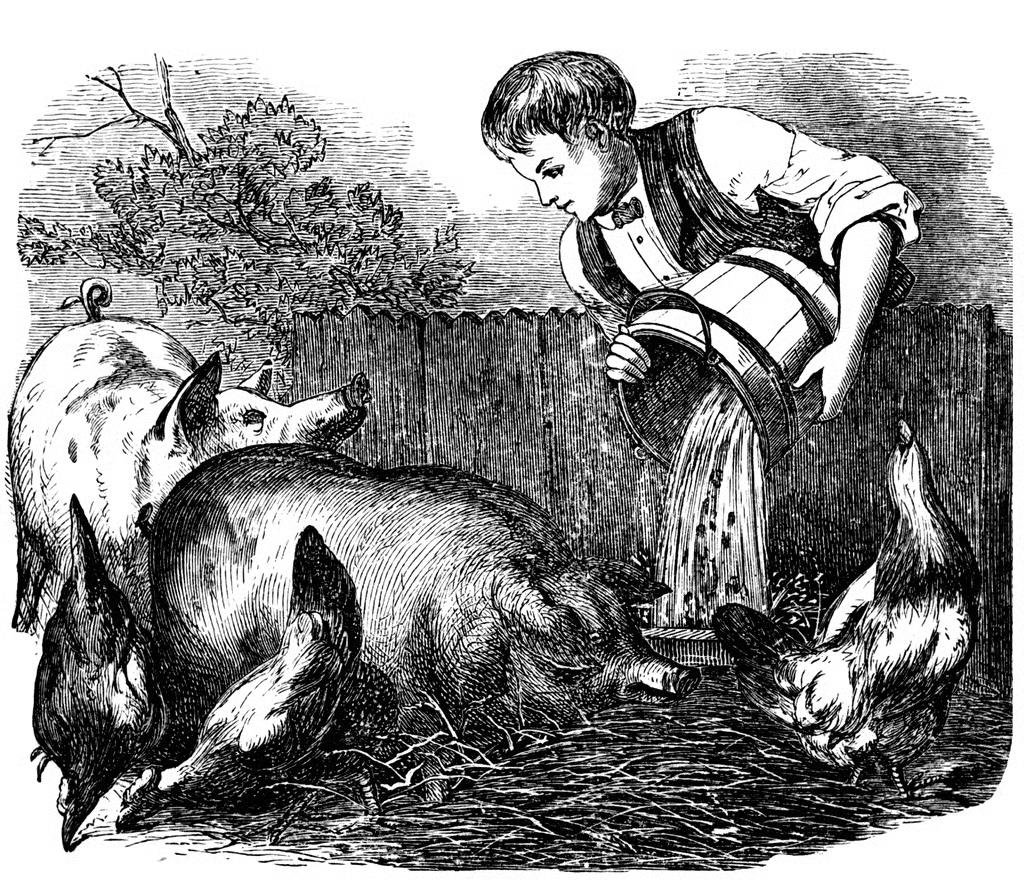
On a crisp autumn morning, Goldilocks picked up her badge at the Ultimate AI Global Summit in a charming European city where rents have risen 250% since the pandemic, and walked into the exhibition hall.
At the booth for a company selling autonomous AI drone swarms, three men in grey quarter-zips were discussing the product’s potential for market penetration.
“Imagine the power we could project with such a mighty airborne kinetic solutions-delivery platform,” said the man whose nametag read AI Maximalist. “Just think of all the, uh, terrorists that could be neutralized.”
“Or what if the drones were used to deliver any package that anyone could ever want? At any time? To any place? The stocks would never stop going up!” said the man with the AI Optimist nametag.
“These are both excellent ideas. And also, perhaps we should convene a working group to discuss methods of minimizing the constant noise and unintentional civilian casualties,” said the man with the Pragmatic AI Realist nametag.
Goldilocks followed the three men to the next booth, whose product was a AI smart speaker-amulet that played recordings of the lullabies your great-grandmother used to sing before she died.
“Brilliant,” said the AI Maximalist, clapping his hands in delight. “Imagine the sweet, sweet training data we could harvest from a brain that developed before microchips were even invented!”
“It’s the personal connection that appeals to me,” said the AI Optimist, holding back a sniffle. “Who wouldn’t feel comforted by the voice of a loved one from beyond the grave?”
The Pragmatic AI Realist stroked his chin. “Your new business models are clever, even more clever than the first. But to ensure we don’t get accused of exploiting the dead for profit, perhaps they should give us full permission to use their voice, image, and likenesses in perpetuity?”
The three men agreed that would be a perfect waiver section to add to the bottom of hospital intake forms. Then they made their way to the third and largest booth, with Goldilocks trailing behind them.
When they arrived at the massive booth—a ceiling of gold, the walls sparkling like a thousand disco balls, a kaleidoscope of lasers blinding anyone who dared look directly at the demonstration stage—the men fell to their knees in rapture.
“My god, it’s incredible! I’ve never seen anything so beautiful!” The AI Maximalist wept tears of joy. “What a terrific, indescribable product! This has the potential to change everything we’ve ever known about anything!”
The AI Optimist leaned in to hug his friend, his mouth agape in wonder. “This is the answer to all the questions we never bothered asking! It’s going to revolutionize love, business, sunshine, money, happiness, sex… just look at it!”
“Yes, my friends, you couldn’t be more correct,” said the Pragmatic AI Optimist, rising to his feet and walking up to the stage. “In a hundred lifetimes I’d never be able to imagine an ineffable-mystery-as-a-service more splendid than this.”
A short schlubby man in golden robes and thick black pervert glasses beckoned him onto the stage. “You have groked the truth, oh wise ones. While others scoffed, you kept the faith. Now simply render unto me your wallets for purity inspection and- yoink!”
Cackling, the short schlubby man waddled off the stage in a puff of smoke.
The three AI evangelists wept and gnashed their teeth, rending their quarter-zips with piteous cries—until one of them noticed Goldilocks standing in the corner.
“Clearly this is your fault. You owe us trillions of money!”
And everyone except Goldilocks lived happily ever after.
Because the last word is rarely the end of the conversation.
Much like penguins, we enjoy bringing you little gifts to show we care:
Great news for lovers of gorgeous and fragile objects: scientists finally rediscovered how to make Roman color-changing glass.
We don’t have any substantive views on the content of this story, but the phrase “Palliser’s Samsung buyback bet puts a hat on a hat” is just a beautiful use of the English language.
If you’re an aficionado of rigid air ships—and why wouldn’t you be—you may enjoy this remarkable look at life aboard the famous Hindenburg (before, you know…).
Here’s what one of us is currently reading:
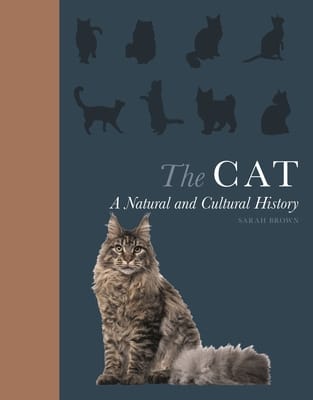
“A cat investigating [scents of a social nature] will open its mouth slightly in a sort of gape and ‘lap’ its tongue over the scent to send it toward the opening of the Jacobsen’s organ in the roof of its mouth—a behavior known as ‘flehmen’ (a German word meaning ‘to bare the upper teeth’).”
If you like cats, you will like this book. If you know someone who likes cats, you should get them this book. And if for some reason neither you nor anyone you care about likes cats… there are probably tons of other things you can enjoy. But condolences on missing out on one of life’s little pleasures.
The book’s main draw isn’t just the interesting cat facts—did you know cats’ taste buds don’t respond to sweetness? Or that they don’t need carbs? Or that they’ll voluntarily eat things that are less delicious but more nutritionally efficient?
It’s also not the adorable photos—close up paw-licking? Kittens pouncing on each other?—or the incredible cultural artifacts cited, like the medieval Thai Cat-Book Poems (which list 17 breeds as auspicious, and six as… less good). It’s not even the awesome proverbs in various languages, like the Norwegian saying that “it is better to feed one cat than many mice.”
The book’s main draw is, obviously, just tons and tons of stuff about cats. Because it has never been more urgent to occasionally forget everything and just think about cats for a minute.